Jilo Viral attracts users with a simple promise: free access to movies, TV shows, and anime without a paid subscription. The site looks easy to use, offers search-based browsing, and gives users a familiar streaming-style experience. But free streaming platforms need closer inspection. Convenience is one thing. Safety, legality, privacy, and trust are another.
Jilo Viral at a Glance
Jilo Viral appears to be a free streaming-style website where users can search for and watch movies, TV shows, and anime. The platform uses a familiar entertainment-site layout with browsing sections, title pages, account options, and guest access.
The website’s biggest appeal is obvious. It reduces the friction users face on paid platforms. No monthly subscription, no complicated setup, and no need to switch between multiple streaming services. For users who only care about quick access, that simplicity is the hook.
However, the same free-access model is also the reason Jilo Viral needs careful review. A site that offers popular entertainment content for free should be examined through more than design and convenience. The important questions are whether the platform has legal distribution rights, how it handles user data, how aggressive its ads are, and whether real users find the experience stable.
| Area | Jilo Viral Assessment |
| Main purpose | Free streaming-style access to movies, TV shows, and anime |
| Interface | Simple, search-first, and familiar for streaming users |
| Account options | Sign-up is available, but users may also continue as guests |
| Main appeal | Free access and fast content discovery |
| Main concern | Unclear licensing, safety, privacy, and trust signals |
| User feedback | Limited, with mixed comments around free access, ads, lag, and pop-ups |
| Best use case | Casual browsing only, not a verified legal streaming replacement |
The Free Streaming Promise
Jilo Viral is built around the idea of instant entertainment. The website gives users a way to search for movies, TV shows, and anime without needing to subscribe to a major streaming service. It also presents features that resemble regular streaming platforms, such as account creation, watchlists, alerts, and browsing categories.
That promise is powerful because streaming has become fragmented. A single user may need Netflix for one show, Prime Video for another, Disney+ for franchise content, and regional services for local releases. Jilo Viral appeals to users who want one place to search without paying for several subscriptions.
But the promise becomes complicated when the content includes copyrighted entertainment. A free streaming site must be judged by more than whether videos appear to play. The real test is whether the site can prove where the content comes from, whether it has permission to stream it, and whether the user experience is safe after clicking play.
How the Website Works
Jilo Viral appears to work like a search-first streaming portal. A user visits the site, searches for a title, opens a movie or show page, and then moves toward playback. The design is not difficult to understand because it follows the same structure many entertainment platforms use.
The experience is built around speed. Users are not pushed through a long onboarding flow before browsing. The presence of guest access also lowers friction because visitors can explore the site without immediately creating an account.
This makes the site convenient, especially for casual users who want to quickly check whether a title is available. But the simplicity also creates a trust problem. A clean interface does not prove that the streaming source is legal, stable, or safe. With free streaming sites, the real user experience often depends on what happens after the first click: ads, redirects, pop-ups, buffering, broken players, and third-party video sources.
Interface and User Experience
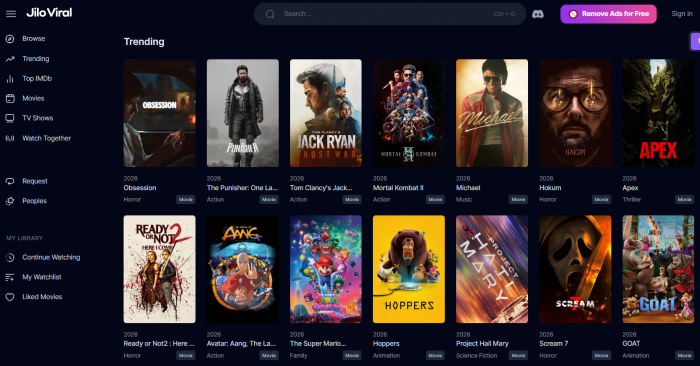
Jilo Viral’s interface is one of its stronger points. It uses a familiar streaming layout with browsing menus, search functionality, poster-style content discovery, and simple navigation. Users who have used Netflix, Prime Video, Tubi, or other streaming platforms will understand the basic flow immediately.
The design appears built for quick discovery rather than brand storytelling. It does not spend much time explaining the company behind the platform, its licensing model, or its editorial standards. Instead, it pushes users toward search, browsing, and playback.
That approach works from a usability standpoint. The website feels direct and low-friction. Users can search for a title, explore trending content, or move into movie and TV sections without much confusion.
The weaker part of the UX is trust. A streaming interface can look polished while still leading users into risky playback environments. If ads, redirects, or suspicious buttons appear during viewing, the clean homepage matters less. The strongest streaming platforms are not only easy to use. They also make users feel protected. Jilo Viral does not provide that level of confidence.
What Kind of Content Can Users Find?
Jilo Viral appears to focus on mainstream entertainment categories. Users may find movies, TV shows, anime, trending titles, and genre-based content. Its appeal is not niche curation or expert film recommendations. The appeal is access.
That matters because Jilo Viral is not positioning itself like a film criticism site or a curated legal streaming guide. It is built more like a large entertainment search portal. Users visit because they want to find something quickly, not because they expect editorial reviews or original entertainment reporting.
The content mix may include:
● Movies across popular genres such as action, comedy, horror, romance, thriller, and drama.
● TV shows and episodic content that users may search for by title.
● Anime series or anime films, depending on what is available through the site’s database.
● Trending or popular titles that attract search traffic and repeat visits.
● User-requested content if the platform’s request feature is active and maintained.
The important issue is not whether users can find titles. The important issue is whether the platform has the legal right to stream them.
The Legal Question: Free Does Not Always Mean Licensed
This is the most serious part of any Jilo Viral review. The platform appears to offer free access to movies, TV shows, and anime, but it does not clearly present itself like a licensed streaming service.
A legal streaming service usually makes its legitimacy easier to verify. It may have official apps, studio partnerships, licensing disclosures, company ownership details, recognized ad-supported distribution, and transparent terms around content rights. Jilo Viral does not offer enough visible proof to confidently place it in that category.
The presence of a DMCA page or copyright-related policy does not automatically prove that a streaming website has licensed rights. A DMCA process usually gives copyright holders a way to request removal of infringing material. It is a response mechanism, not proof that every title on the platform is legally distributed.
For users, the safest interpretation is simple: Jilo Viral should be treated as legally uncertain unless it clearly proves licensed distribution rights for the content it provides. Laws vary by country, but watching copyrighted content through unauthorized sources may carry legal risk in some regions.
Safety and Privacy Risks
Jilo Viral’s risk profile is not only legal. Safety and privacy matter too. Free streaming sites often rely on advertising networks, embedded players, third-party video sources, or redirect-based monetization. That can affect both user experience and device safety.
The most important safety concerns are practical:
● Ads and pop-ups can create risk beyond annoyance. Free streaming sites may show fake play buttons, misleading download prompts, browser notification requests, or pop-ups that send users to unrelated pages.
● Account creation may expose personal data. Users should be cautious before sharing email addresses, passwords, or Google sign-in access with a platform that does not clearly prove ownership and licensing transparency.
● Third-party players can weaken control. Even if the main website looks clean, playback may depend on external servers or embedded sources that users cannot easily verify.
● Copycat domains can confuse users. Streaming-related brands often attract mirror sites, lookalike domains, and unofficial clones, which can increase phishing and malware-style risks.
● Download prompts should be treated carefully. Downloading files from unverified streaming sites is riskier than browser-based viewing because files may carry harmful scripts or unwanted software.
A cautious user should avoid giving personal information, avoid downloading anything, avoid clicking suspicious buttons, and avoid allowing browser notifications from unknown streaming sites.
Ads, Pop-Ups and Playback Reliability
A streaming site is only as good as its playback experience. Jilo Viral may look simple before playback, but users often judge these platforms by what happens during viewing.
Public feedback around Jilo Viral suggests that some users like the free access and large catalog, while others mention lagging, stopping, ads, and pop-ups. That pattern is common with free streaming portals. They may work well for one title and poorly for another, depending on the source, server, player, and ad load.
This is why the review should separate interface quality from playback quality. A clean homepage does not guarantee smooth streaming. Users may still face buffering, broken links, aggressive ads, poor subtitle support, or unstable video players.
For casual browsing, this may be tolerable. For regular watching, family use, or safe entertainment access, it is a major limitation.
What Real Users Are Saying
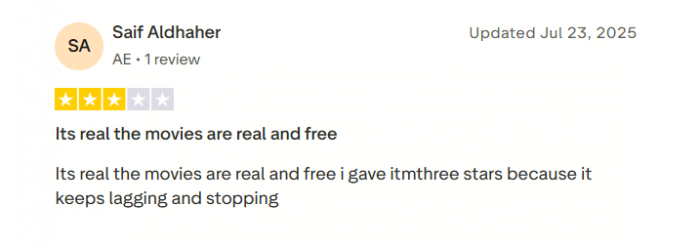
Real-user feedback about Jilo Viral is limited, so it should not be treated as a full public consensus. Some Trustpilot users praise the site for free access and a large movie selection, which suggests that the platform does work for certain visitors looking for quick streaming without a subscription.
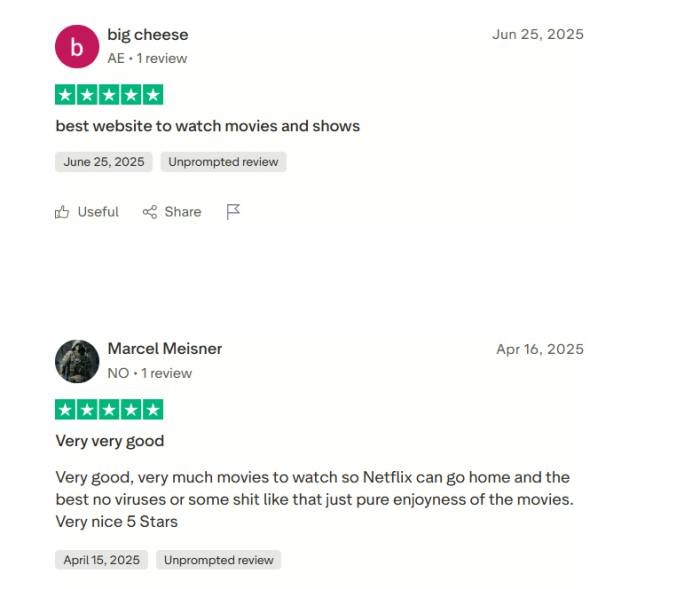
At the same time, the feedback is not completely positive. Some users mention lagging playback, videos stopping, ads, and pop-ups. These complaints matter because they show the difference between a site that can load content and a site that feels stable, safe, and reliable during regular use.
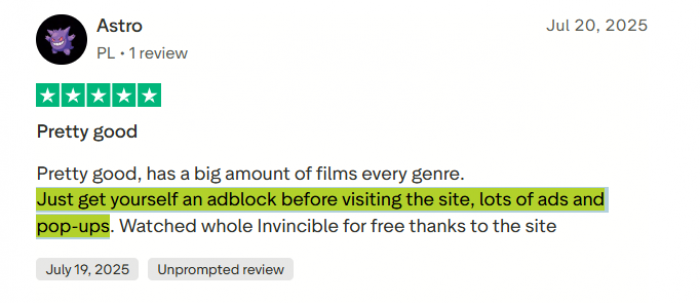
Reddit activity also appears limited. The most visible Reddit presence seems closer to an official or community-style space than a broad independent discussion base. That makes it useful for updates, requests, or bug reports, but less useful as proof of wider user trust. reddit
The takeaway is not that user feedback is entirely negative. Some users clearly find the site useful. The issue is that the review pool is too small to prove long-term reliability, safety, or legitimacy. Jilo Viral may work for some users, but available public sentiment does not remove the bigger questions around licensing, privacy, ads, and platform transparency.
Ownership and Trust Signals
Jilo Viral’s trust problem is not mainly about the homepage design. It is about transparency. Users should be able to identify who operates a streaming platform, where the company is based, what legal entity is behind it, how it handles content rights, and how it protects user data.
Jilo Viral does show some basic trust elements, such as terms, privacy-related pages, and a DMCA link. These are useful, but they do not fully answer the most important questions.
A stronger streaming platform would clearly show:
● Who owns and operates the website.
● Whether it has legal distribution rights or licensed content partnerships.
● How user data is stored, shared, and protected.
● Whether ads are screened for safety.
● Whether account creation is necessary or optional.
● How copyright complaints, broken links, and user reports are handled.
Without these details, Jilo Viral remains convenient but not strongly trustworthy.
Claim vs Reality
Jilo Viral’s core claim is convenience. It gives users a way to search for and watch entertainment content without the usual subscription barrier. On that point, the site’s design and structure support the claim. It is built for quick access.
The gap appears when convenience is compared with proof. A streaming platform can be easy to use and still raise serious questions around licensing, privacy, ads, and ownership.
| Jilo Viral Claim or Appeal | Reality Check |
| Free movies and TV shows | Attractive for users, but licensing proof is unclear |
| Large content library | The catalog appeal is strong, but size and rights are hard to verify |
| Simple streaming experience | The interface is easy, but playback may be affected by ads, lag, or redirects |
| Guest access | Reduces sign-up friction, but does not remove tracking or third-party risks |
| Account features | Watchlists and alerts are convenient, but users should be careful with personal data |
| DMCA page | Shows a takedown pathway, but does not prove licensed streaming rights |
| Community links | Useful for requests and updates, but not proof of legality or safety |
Who Should Be Careful With Jilo Viral?
Jilo Viral is not suitable for every user. The site may appeal to people who want fast, free entertainment access, but several groups should be especially cautious.
Users who want fully legal streaming should avoid relying on Jilo Viral unless the platform clearly proves licensing rights. Users who care about privacy should avoid creating accounts or using Google sign-in on sites with unclear ownership. Users who dislike pop-ups, redirects, or unstable playback may also find the experience frustrating.
Parents and family users should be especially careful. Verified streaming platforms usually offer stronger moderation, content controls, app safety, payment protections, and customer support. Jilo Viral does not provide the same level of visible assurance.
Researchers, journalists, students, or entertainment writers should also avoid treating Jilo Viral as an authoritative entertainment database. It may help locate titles, but it should not be used as a trusted reference source.
Safer Legal Alternatives
Users who want free streaming without the uncertainty around JiloViral can consider legal, ad-supported platforms. These services may not carry every new release, but they offer clearer licensing, safer apps, and better transparency.
1. Tubi
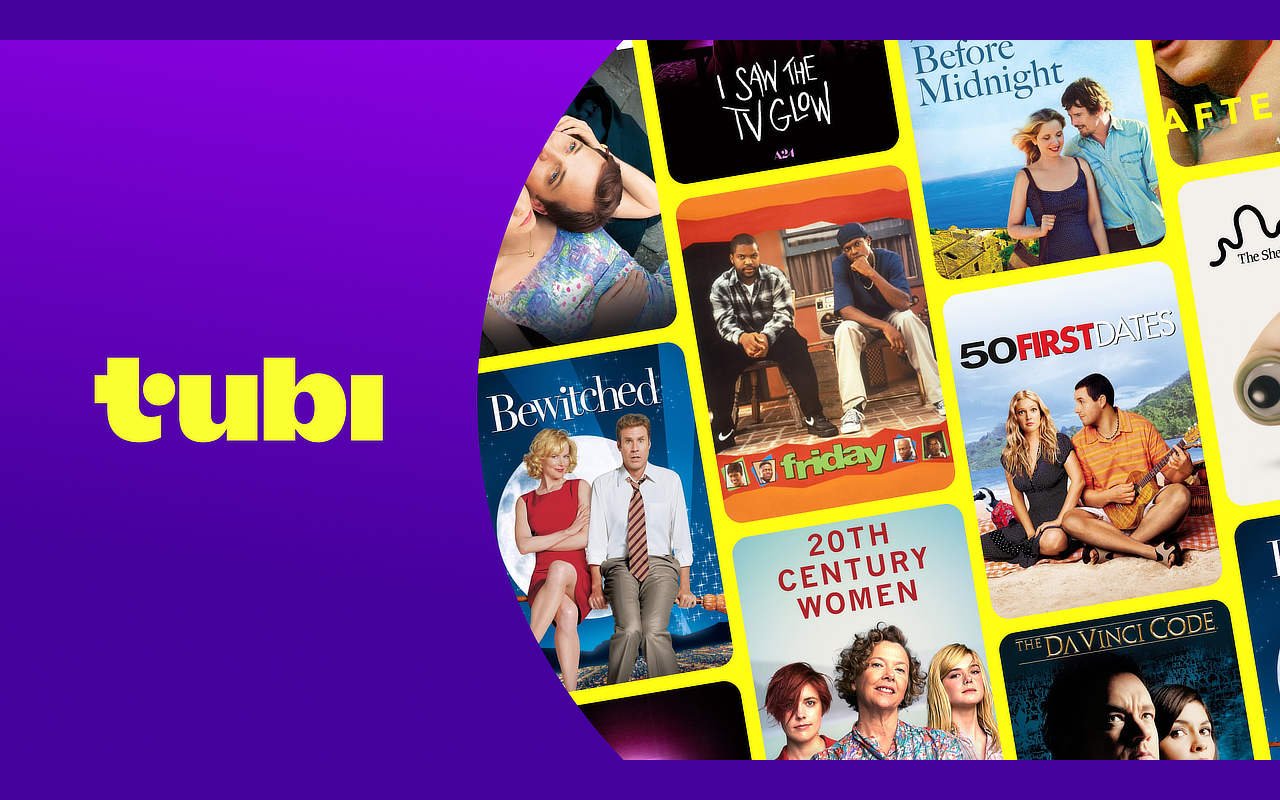
Tubi is one of the strongest free streaming options for movies and TV shows. It has a large ad-supported catalog across genres such as action, comedy, horror, drama, documentaries, and older television series.
2. Pluto TV
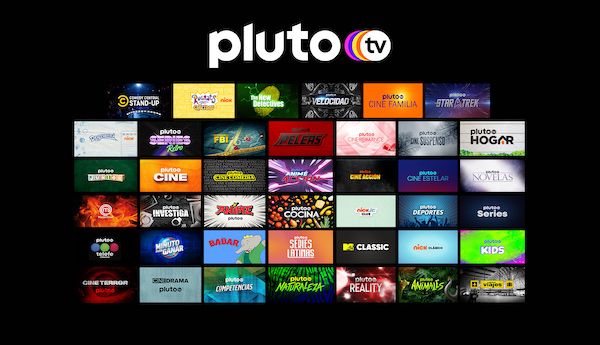
Pluto TV is useful for viewers who like the feel of live television. It offers free live channels along with on-demand movies and shows, making it a good option for casual browsing.
3. Plex

Plex combines free ad-supported streaming with personal media library features. It is a practical choice for users who want free movies, shows, live TV, and the option to organize their own content in one place.
4. Freevee

Freevee offers free movies, shows, and original content with ads. Its availability depends on location, but where accessible, it provides a more reliable and legally safer alternative to unknown streaming sites.
5. YouTube Movies Free Section
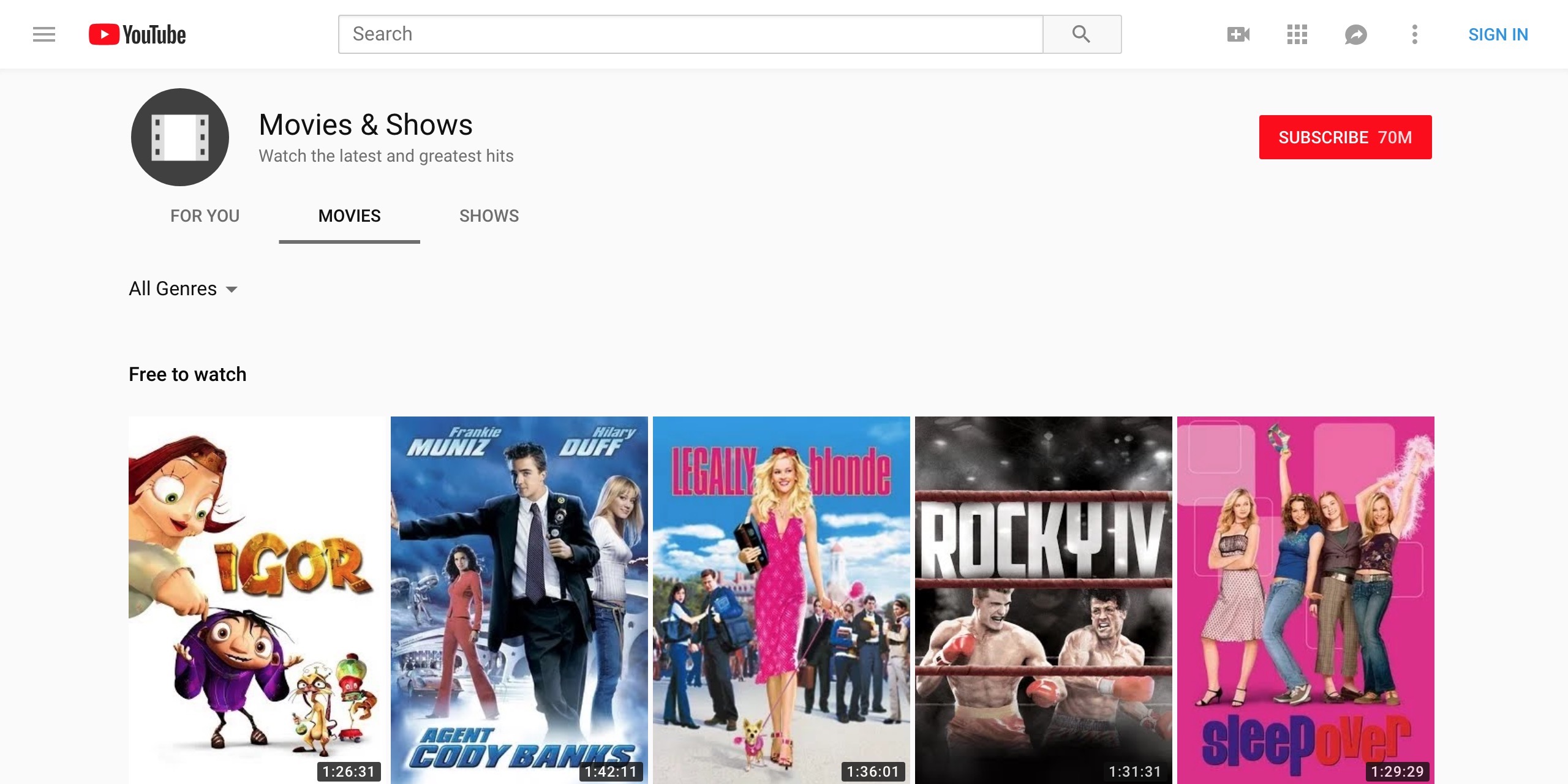
YouTube’s free movie section includes ad-supported films that can be watched legally in selected regions. The catalog changes, but it is safer than using sites where ownership, redirects, or content rights are unclear.
These alternatives may have smaller or region-limited libraries, but they are more trustworthy for users who want free streaming without taking unnecessary legal, privacy, or security risks.
Final Verdict
Jilo Viral is built around convenience. Its interface is simple, its search-first design is familiar, and its promise of free access to movies, TV shows, and anime explains why users are interested. As a website experience, it is easy to understand and quick to navigate.
But convenience is not the same as trust. Jilo Viral does not clearly prove licensed distribution rights, ownership transparency, or strong safety controls. User feedback is limited and mixed, with praise for free access but concerns around ads, pop-ups, lag, and playback reliability.
The fair conclusion is that Jilo Viral may work as a free streaming-style portal for some users, but it should not be treated like a verified legal streaming service. Its biggest strength is easy access. Its biggest weakness is uncertainty. Anyone considering it should understand the legal, privacy, safety, and reliability risks before using it, and safer licensed alternatives are the better option for regular viewing.