
In the intricate dance between your website and search engines, one critical element often separates indexed success from invisible failure: the sitemap. While countless site owners pour energy into content creation, keyword optimization, and backlink strategies, they overlook the fundamental roadmap that guides search crawlers to their digital doorstep. The Sitemap Generator on UploadArticle.com exists to bridge this gap offering a free, accessible, and remarkably efficient solution that transforms technical SEO from daunting complexity into simple execution.
What Is the Sitemap Generator on UploadArticle.com?
At its core, the Sitemap Generator on UploadArticle.com is an automated SEO tool designed to eliminate the technical barriers that prevent websites from achieving optimal search engine visibility. This web-based solution scans your entire website, systematically cataloging every accessible page, and compiles this information into a structured XML file that search engines like Google, Bing, and Yahoo can read effortlessly.
Unlike manual sitemap creation which demands technical expertise, consumes valuable time, and invites human error this generator operates as an intelligent assistant. You provide your website URL, configure basic preferences if desired, and the tool handles the complex crawling process automatically. Within minutes, you receive a production-ready sitemap file optimized for submission to major search engines.
● 100% Free to Use
● 5 min Average Generation Time
● ∞ Page Limit
● 0 Technical Knowledge Required
The Fundamental Promise: Whether you operate a personal blog with fifty articles or manage an enterprise e-commerce platform with thousands of product pages, the Sitemap Generator on UploadArticle.com delivers the same core benefit ensuring search engines can discover, understand, and index every piece of content you've worked hard to create.
Why Sitemaps Are Non-Negotiable for SEO Success
To appreciate the Sitemap Generator's value, we must first understand the problem it solves. Search engine crawlers navigate the internet by following links hopping from one page to another like travelers exploring an unfamiliar city without a map. While this discovery method works, it's inherently inefficient and unreliable.
The Crawler Challenge: What Happens Without a Sitemap
When you publish a new blog post buried three clicks deep in your site architecture, or create a product page with minimal internal linking, search engine bots might never find it. Even if they eventually discover the page, weeks or months may pass during which your content generates zero organic traffic despite its quality and relevance.
Websites with complex structures face even greater challenges. Multi-level category hierarchies, dynamically generated pages, content behind search filters, and orphaned pages (those with few or no internal links) often escape crawler attention entirely. Without a sitemap explicitly listing these URLs, they remain invisible to search engines and, consequently, to potential visitors.
Indexing Speed: With vs. Without Sitemaps
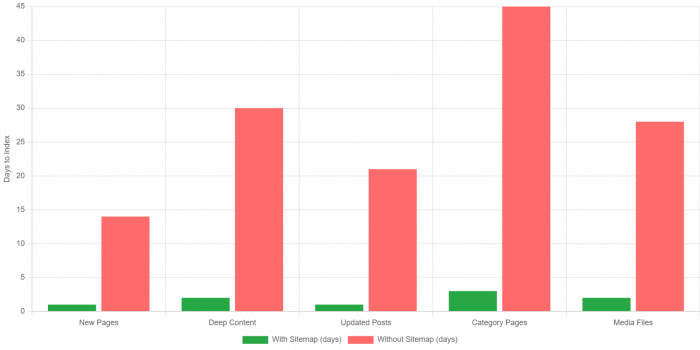
How Sitemaps Revolutionize Crawl Efficiency
A well-constructed sitemap functions as a comprehensive directory handed directly to search engines. Instead of relying on discovery through random link-following, crawlers receive a structured manifest detailing every important URL on your site. This transformation delivers multiple benefits that compound over time.
Faster Discovery
New content gets indexed in hours or days instead of weeks or months, dramatically reducing the time between publication and search visibility.
Complete Coverage
Deep pages, category archives, and content with weak internal linking all receive equal opportunity for indexing through sitemap inclusion.
Crawl Budget Optimization
Search engines allocate limited crawling resources to each site. Sitemaps ensure this budget focuses on valuable content rather than wasting time on duplicate or low-value pages.
Metadata Communication
Beyond listing URLs, sitemaps convey last modification dates, change frequencies, and page priorities helping crawlers understand your content hierarchy.
Error Detection
Submitting a sitemap through tools like Google Search Console reveals indexing issues, broken pages, and technical problems that otherwise remain hidden.
Multimedia Indexing
Specialized image and video sitemaps help search engines discover and index media content that text-based crawlers might overlook.
Core Features That Define UploadArticle.com's Advantage
The Sitemap Generator on UploadArticle.com distinguishes itself through a combination of accessibility, automation, and SEO-focused optimization. Understanding these features reveals why countless webmasters, bloggers, and digital marketers choose this tool over alternatives.
Dual Format Generation: XML and HTML
The tool automatically generates both XML and HTML sitemap formats, serving distinct but complementary purposes. XML sitemaps target search engine crawlers with machine-readable structured data, while HTML sitemaps benefit human visitors by providing navigational assistance. This dual output ensures comprehensive coverage across both algorithmic and user experience dimensions.
Intelligent Automatic Scanning
Rather than requiring manual URL entry, the generator employs sophisticated crawling algorithms that mirror how search engines explore websites. Starting from your homepage, the tool follows every internal link, discovering pages across all hierarchy levels. This automated approach guarantees completeness while eliminating the tedious manual work that makes traditional sitemap creation burdensome.
Customizable Configuration Options
Advanced users appreciate the ability to fine-tune sitemap parameters according to specific SEO strategies. The tool allows configuration of page priority levels (signaling relative importance to search engines), update frequency indicators (communicating how often content changes), and URL exclusion rules (preventing low-value pages from consuming crawl budget).
Priority and Frequency: Strategic Communication with Search Engines: By assigning priority values (0.0 to 1.0) to different pages, you guide crawlers toward your most valuable content. Similarly, specifying update frequencies (daily, weekly, monthly) helps search engines determine optimal recrawl schedules. These seemingly small details can significantly impact indexing efficiency for large websites.
Seamless Integration with Search Console Platforms
After generating your sitemap, the tool facilitates direct submission to Google Search Console, Bing Webmaster Tools, and other search engine platforms. This streamlined workflow eliminates the friction of switching between multiple interfaces, reducing the entire process from generation to submission into a single, cohesive experience.
Support for Multimedia Content
Modern websites extend far beyond text-based content. The Sitemap Generator recognizes this reality by supporting image and video sitemaps. These specialized formats help search engines discover and index visual content that might otherwise remain hidden, enhancing visibility in Google Images, video search results, and rich media features.
No Registration, No Payment, No Limits
Perhaps the most compelling feature is what the tool doesn't require. There are no mandatory account creations, no subscription fees, and no arbitrary page limits. Whether your site contains fifty pages or fifty thousand, the generator handles the workload without imposing financial or administrative barriers.
The Complete Workflow: From URL to Indexed Pages
Understanding the step-by-step process demystifies sitemap generation and empowers even complete beginners to execute professional-grade SEO optimization. The workflow balances simplicity for novices with flexibility for experienced practitioners.
1 Access the Tool: Navigate to UploadArticle.com and locate the Sitemap Generator no login or account creation required
2 Enter Your URL: Input your website's homepage address, ensuring you use the exact version (http/https, www/non-www) that matches your live site
3 Configure Settings: Adjust crawl priorities, update frequencies, and URL exclusions or accept defaults for instant results
4 Initiate Crawling: Click generate and wait while the tool systematically explores your site structure, following every internal link
5 Download Sitemap: Receive your optimized XML sitemap file, ready for upload to your website's root directory
6 Upload to Server: Place the sitemap.xml file in your website's root folder (typically via FTP or hosting control panel)
7 Submit to Search Engines: Use Google Search Console and Bing Webmaster Tools to formally submit your sitemap URL
8 Monitor Performance : Track indexing status, coverage reports, and any errors through search console dashboards
Behind the Scenes: The Technical Crawling Process
When you initiate generation, the tool employs sophisticated web scraping technology that mimics search engine crawler behavior. Starting from your specified homepage, it parses the HTML to extract all internal links. It then follows each link, repeating the process recursively until every discoverable page has been cataloged.
During this crawling phase, the generator identifies page metadata including last modification timestamps (from HTTP headers or meta tags), canonical URLs (to prevent duplicate content issues), and noindex directives (respecting your explicit instructions to exclude certain pages from search results). This intelligent parsing ensures the final sitemap reflects not just what pages exist, but which pages you actually want indexed.
<?xml version="1.0" encoding="UTF-8"?> <urlset xmlns="http://www.sitemaps.org/schemas/sitemap/0.9"> <url> <loc>https://example.com/</loc> <lastmod>2026-04-20</lastmod> <changefreq>weekly</changefreq> <priority>1.0</priority> </url> <url> <loc>https://example.com/blog/post-1/</loc> <lastmod>2026-04-15</lastmod> <changefreq>monthly</changefreq> <priority>0.8</priority> </url> </urlset>
Example XML Sitemap Structure Generated by UploadArticle.com.
Measurable Benefits: Why This Tool Matters for Your SEO
Beyond understanding features and workflow, website owners need clarity on tangible outcomes. The Sitemap Generator on UploadArticle.com delivers value across multiple dimensions that collectively transform search visibility.
SEO Impact Areas: Contribution to Overall Performance
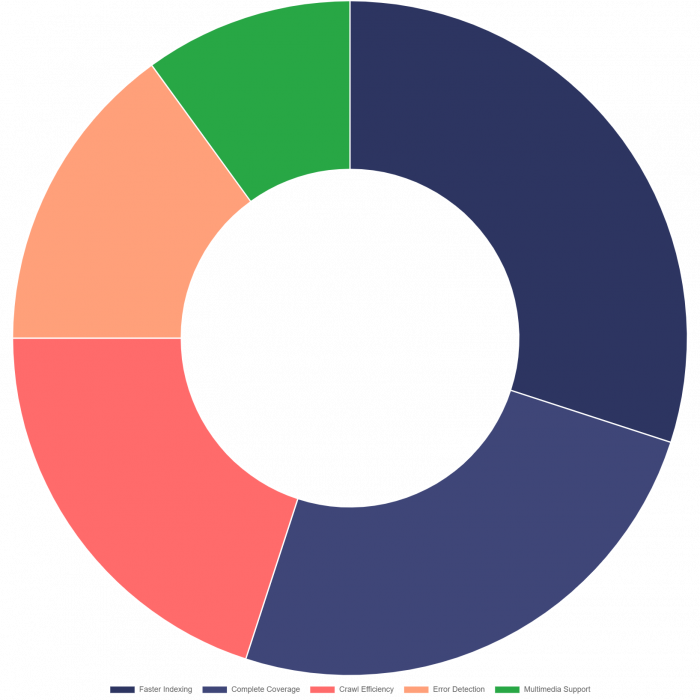
Accelerated Indexing for Time-Sensitive Content
News websites, e-commerce stores during product launches, and bloggers publishing trending topics all share a common need: rapid indexing. Every hour that fresh content remains undiscovered by search engines represents lost traffic and missed opportunities. Sitemaps compress this discovery timeline from days or weeks down to hours, ensuring timely visibility when relevance peaks.
Enhanced Visibility for Deep Content
Websites naturally develop hierarchical structures with important content residing multiple clicks from the homepage. Category pages, archive sections, older blog posts, and specialized service pages often suffer from weak internal linking. Sitemaps give these "deep" pages equal standing, ensuring they receive crawler attention proportionate to their value rather than their link distance from the homepage.
Improved Crawl Budget Utilization
Search engines allocate finite crawling resources to each domain based on factors like site authority, update frequency, and server performance. Websites with thousands of pages must use this "crawl budget" efficiently. By explicitly directing crawlers to valuable content while excluding low-priority pages, sitemaps maximize the return on every crawler visit.
Diagnostic Insights Through Search Console Integration
Once submitted to Google Search Console or Bing Webmaster Tools, your sitemap becomes a diagnostic tool. These platforms compare your sitemap against actual indexing status, highlighting discrepancies. You'll discover pages that failed to index due to technical errors, content quality concerns, or robots.txt conflicts issues that would otherwise remain invisible.
| Strategic Advantages | Important Considerations |
| Dramatically faster indexing for new and updated content | Sitemaps don’t guarantee indexing quality content is still required |
| Complete coverage ensures no valuable page goes undiscovered | Initial generation takes longer for very large websites |
| Better control over crawler priorities and resource allocation | Manual regeneration needed after major site changes |
| Multimedia content gets proper indexing attention | Cannot fix core technical SEO issues (robots.txt, server errors) |
| Early detection of SEO issues via search console feedback | Crawlers may ignore low-quality or duplicate pages |
| Completely free; no financial barrier for small publishers | Requires basic knowledge of file upload and implementation |
| Supports automation for dynamic websites | Limited customization compared to enterprise-level tools |
| Works well for websites of any size or complexity |
Technical Specifications and Capabilities
For developers, SEO professionals, and technically-minded webmasters, understanding the generator's technical parameters helps set appropriate expectations and optimize usage strategies.
| Specification | Details | Impact |
| Supported Formats | XML, HTML, Image Sitemap, Video Sitemap | Comprehensive coverage for all content types |
| Maximum URLs | Unlimited (50,000 per file as per protocol limits) | Handles enterprise websites using sitemap index files |
| Protocol Compliance | Sitemaps.org XML 0.9 specification | Universal compatibility with major search engines |
| Crawl Depth | Unlimited link-following depth | Discovers content regardless of site structure complexity |
| Update Frequency Options | Always, Hourly, Daily, Weekly, Monthly, Yearly, Never | Precise communication of content update patterns |
| Priority Range | 0.0 to 1.0 (decimal precision) | Granular control over page importance |
| Character Encoding | UTF-8 | Supports international and multilingual websites |
| File Size Limit | 50MB uncompressed, 10MB gzipped per file | Automatic splitting via sitemap index for large sites |
| Error Detection | Broken links, redirect chains, accessibility issues | Ensures quality before search engine submission |
| Processing Time | Varies based on site size and server response | Typically completes within 5–15 minutes for most websites |
How UploadArticle.com Stacks Against Alternatives
The sitemap generator landscape includes numerous options ranging from WordPress plugins to premium SaaS platforms. Understanding how UploadArticle.com compares helps you make informed tool selection decisions.
| Tool Category | Typical Approach | UploadArticle.com Difference |
| WordPress Plugins (Yoast, RankMath) | Automatic generation within CMS, limited to WordPress sites | Platform-agnostic; works with any website technology stack |
| Online Generators (Screaming Frog Free) | Desktop-based software, requires installation, 500 URL limit (free tier) | Web-based access with unlimited URL scanning |
| Premium SaaS Tools (Sitebulb, DeepCrawl) | Advanced SEO suites with high monthly costs ($100–500) | Free core functionality suitable for most users |
| Manual XML Creation | Hand-coded sitemaps needing technical expertise and maintenance | Fully automated generation; removes technical complexity and human error |
| Hosting Provider Tools | Basic generators with limited controls, often hidden in dashboards | Dedicated interface with transparent controls and easy accessibility |
When to Consider Premium Alternatives: While UploadArticle.com serves most websites excellently, enterprise operations might benefit from premium tools offering advanced features like JavaScript rendering for dynamic sites, competitive analysis integrations, custom crawl scheduling, API access for automation, and comprehensive SEO audit capabilities beyond sitemap generation. For the majority of website owners, these premium features represent unnecessary complexity.
Best Practices for Maximum SEO Impact
Simply generating and submitting a sitemap represents a good start, but optimizing this process according to established best practices multiplies effectiveness. These recommendations combine official search engine guidelines with real-world experience.
Regular Regeneration and Resubmission
Websites evolve continuously new content appears, old pages disappear, and existing material undergoes updates. Your sitemap must reflect this dynamic reality. For blogs publishing weekly, regenerate and resubmit monthly. E-commerce sites with daily inventory changes should update weekly. Static informational sites might only need quarterly refreshes. The key principle: synchronize sitemap updates with your actual content publishing cadence.
Strategic Priority Assignment
Avoid assigning maximum priority (1.0) to every page this dilutes the signal and confuses crawlers about your true content hierarchy. Reserve highest priorities for cornerstone content, money pages, and regularly updated sections. Give mid-range priorities (0.5-0.7) to category pages and supporting content. Assign lower priorities (0.3-0.4) to archived material and peripheral pages. This strategic differentiation guides crawler attention toward your most valuable assets.
Accurate Change Frequency Specification
The changefreq parameter shouldn't reflect aspirations but reality. If you actually update your homepage daily, specify "daily." If blog posts rarely change after publication, use "monthly" or "yearly." Mismatched frequencies waste crawler resources when they recrawl unchanged content or miss updates on supposedly static pages. Honest specification optimizes crawl efficiency.
Exclusion of Low-Value URLs
Not every page deserves indexing. Admin pages, thank-you confirmations, login interfaces, duplicate content variations, and thin content pages should be excluded from your sitemap. This curation ensures crawl budget focuses on indexable, valuable content rather than wasting resources on pages you don't want ranking anyway.
Sitemap Location and Naming Conventions
Place your sitemap at the root level (example.com/sitemap.xml) using standard naming. While search engines can discover sitemaps in subdirectories or with alternative names, standard placement ensures compatibility with automated discovery and reduces configuration complexity. For large sites requiring multiple sitemaps, use a sitemap index file (sitemap_index.xml) that references individual sitemaps.
Sitemap Maintenance Schedule by Website Type

Integration with Robots.txt
Reference your sitemap in your robots.txt file to ensure all crawlers can find it immediately, even before consulting Search Console submissions. Add a line like "Sitemap: https://example.com/sitemap.xml" at the end of your robots.txt. This simple addition facilitates faster discovery and broader crawler coverage beyond just Google and Bing.
Monitoring and Error Response
After submission, actively monitor your sitemap status through Google Search Console and Bing Webmaster Tools. These platforms report coverage statistics, indexing errors, and warnings. When errors appear broken URLs, server errors, redirect chains address them promptly rather than ignoring console notifications. These errors directly impact indexing effectiveness.
Common Mistakes That Undermine Sitemap Effectiveness
Even with the best tools, implementation errors can neutralize sitemap benefits. Recognizing these pitfalls helps you avoid them.
● Including Blocked URLs
Listing pages blocked by robots.txt or noindex meta tags creates confusion. Crawlers encounter contradictory signals the sitemap says "index this" while robots directives say "don't crawl" or "don't index." Always align sitemap contents with your crawling and indexing preferences.
● Forgetting Protocol Consistency
If your site uses HTTPS, all sitemap URLs must use HTTPS. Mixing protocols (http and https) or www variants (www.example.com vs example.com) creates duplicate content signals and wastes crawler resources on redirect chains.
● Neglecting Mobile Versions
For sites with separate mobile URLs (m.example.com), ensure your sitemap includes mobile variants or properly annotates desktop-mobile relationships. Mobile-first indexing means neglecting mobile URLs directly impacts search visibility.
● Submitting Without Validation
Always validate your sitemap using online XML validators before submission. Malformed XML missing closing tags, improper encoding, invalid characters causes search engines to reject your entire sitemap, negating all optimization efforts.
● Setting Unrealistic Priorities
Assigning priority 1.0 to 80% of your pages defeats the purpose of prioritization. Crawlers interpret priorities relatively within your site, not absolutely across the internet. Thoughtful differentiation provides meaningful guidance; indiscriminate high values provide none.
● One-Time Submission Mentality
Generating a sitemap once during site launch, then never updating it, ensures the sitemap becomes progressively more inaccurate. As your site grows and changes, an outdated sitemap misleads crawlers rather than helping them, potentially causing more harm than benefit.
Advanced Applications and Strategic Use Cases
Beyond basic implementation, sophisticated users leverage sitemap generators strategically to address specific SEO challenges and business objectives.
Managing Large-Scale E-Commerce Indexing
Online stores with thousands of product pages face unique indexing challenges. Seasonal inventory changes, limited-time offers, and product variations create constant flux. Smart e-commerce operators use sitemap priorities strategically assigning higher values to bestsellers and current inventory while deprioritizing discontinued items. They regenerate sitemaps weekly, ensuring search engines discover new products immediately while phasing out old inventory from index priority.
Accelerating Content Marketing ROI
Content marketers invest heavily in creating comprehensive guides, tutorials, and resources. The faster this content indexes, the sooner it generates organic traffic and conversions. By regenerating sitemaps immediately after publishing major content pieces and resubmitting to Search Console, marketers compress the time-to-traffic window. Some even automate this process through APIs, triggering sitemap updates programmatically whenever new content goes live.
International SEO and Hreflang Implementation
Websites serving multiple countries or languages must communicate geographic and linguistic targeting to search engines. While the basic UploadArticle.com generator focuses on standard sitemaps, advanced users manually enhance generated files by adding hreflang annotations. These tags specify language and regional variants, ensuring users in France see French content while US visitors encounter English versions in search results.
Managing Site Migrations and Redesigns
When migrating domains or launching major redesigns, sitemaps become critical migration tools. Submit an updated sitemap immediately after launch containing all new URLs with current lastmod dates. This signals search engines to recrawl your entire site, accelerating the reindexing process and minimizing traffic disruption during transitions.
Enterprise Consideration: Sitemap Index Files
Websites exceeding 50,000 URLs or 50MB compressed size must split sitemaps into multiple files referenced by a sitemap index. The UploadArticle.com generator handles this automatically, creating logical divisions (by content type, publication date, or site section) and generating the index file that ties everything together.
The Evolving Role of Sitemaps in Modern SEO
As search technology advances, sitemaps' role continues evolving. Understanding these trends helps future-proof your SEO strategies.
Integration with Structured Data
Modern sitemaps increasingly incorporate schema.org structured data, providing richer context about page content. News sitemaps specify publication metadata, video sitemaps include player locations and thumbnails, and product sitemaps communicate pricing and availability. This evolution transforms sitemaps from simple URL lists into sophisticated content declarations.
Real-Time Indexing Protocols
Technologies like IndexNow (supported by Microsoft and Yandex) enable immediate notification when content changes. Rather than waiting for scheduled crawls or manual sitemap resubmissions, websites ping search engines instantly about updates. While separate from traditional sitemaps, this real-time approach complements sitemap functionality, particularly for time-sensitive content.
AI and Machine Learning Optimization
Future sitemap generators may employ artificial intelligence to automatically determine optimal priorities based on content quality signals, user engagement metrics, and conversion data. Rather than manually setting priorities, webmasters might delegate these decisions to ML algorithms that continuously optimize based on performance data.
Sitemap Technology Evolution Timeline
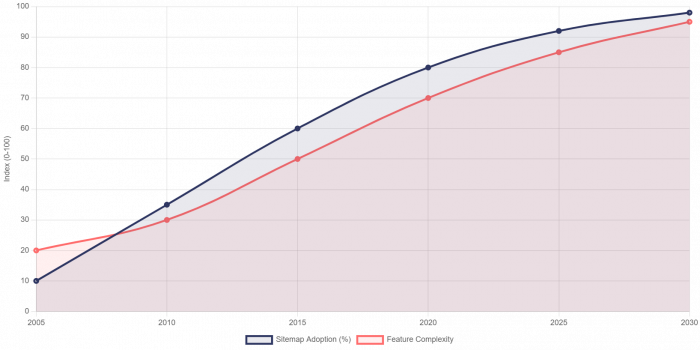
Final Verdict: Should You Use UploadArticle.com's Sitemap Generator?
After examining every dimension of technical capabilities, practical benefits, competitive positioning, and strategic applications the recommendation becomes clear for different user profiles.
Ideal For: Small to medium-sized websites (10-10,000 pages), bloggers and content creators, e-commerce stores without enterprise budgets, SEO beginners learning technical optimization, agencies managing multiple client sites, anyone needing quick, reliable sitemap generation without financial investment.
Consider Alternatives If: You operate enterprise sites requiring advanced customization beyond basic parameters, need JavaScript rendering for heavily dynamic applications, want comprehensive SEO auditing beyond sitemap functionality, require API access for programmatic automation, or already subscribe to premium SEO platforms including sitemap features.
For the vast majority of website owners from personal bloggers to growing businesses the Sitemap Generator on UploadArticle.com represents an exceptional balance of capability, accessibility, and cost (free). It removes technical barriers that prevent proper indexing, accelerates content discovery, and provides professional-grade results without demanding professional-grade expertise or budgets.
The tool doesn't promise to revolutionize your SEO overnight. Quality content, solid site architecture, and strategic optimization remain fundamental. But it ensures that when you create valuable content, search engines can actually find it. In the competitive landscape of organic search, that discovery advantage often separates success from obscurity.
The best SEO strategies combine multiple tools and techniques working synergistically. The Sitemap Generator on UploadArticle.com fills a specific, critical role in that ecosystem making the invisible visible to the algorithms that determine your digital success. Use it wisely, maintain it consistently, and let it do what it does best: ensuring your hard work gets the search engine attention it deserves.