Artificial intelligence has always promised to make creation easier. But lately, it’s started to do something else, something more profound. It’s beginning to reshape what creativity even means.
From drafting entire essays to producing lifelike videos and voices, AI isn’t just saving time; it’s redefining how ideas move from imagination to audience. Yet where we’re headed is far beyond automation. The next era of AI in content creation will merge art and algorithm, emotion and precision ushering in a new age of creative symbiosis.
I. A Shift from Tools to Partners
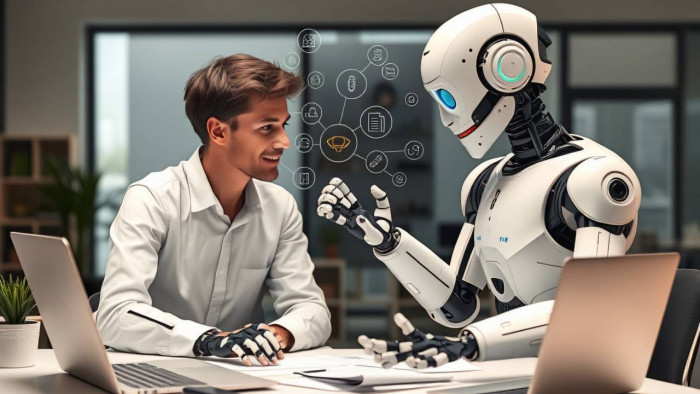
For years, AI existed in the background, a helper correcting sentences, generating keywords, or cleaning up images. But the creators of tomorrow won’t use AI. They’ll collaborate with it.
The new generation of AI systems understands narrative context, adjusts tone by audience, and learns from real engagement metrics. They don’t just imitate; they iterate, evolve, and challenge what’s possible.
For writers, this means AI can turn a rough idea into multiple narrative arcs; for video editors, it can expand a scene or suggest transitions that fit the emotional tempo. AI is no longer a silent assistant, it's a creative partner that listens, learns, and co-creates.
II. The Rise of Multimodal Storytelling
The evolution of AI creativity is crossing boundaries between formats. Text is now only the beginning. AI systems can interpret words, transform them into visuals, match tone with audio, and render multidimensional digital experiences in real time.
Think of the next marketing campaign or content series:
● A single idea can spawn a blog post, reel, podcast snippet, infographic, and ad creative all linked by data.
● Each format reflects audience behavior patterns across regions and demographics.
● Every output feeds performance data back into the model, helping it improve follow-up content.
This is multimodal storytelling in motion, a new creative cycle where content doesn’t just exist across platforms; it learns from each of them.
III. Strategy Meets Intelligence
True creativity, especially digital creativity, thrives on insight. That’s why the future of AI-generated content lies not only in creation but also in content intelligence.
Today’s advanced AI systems can predict what kind of topic will resonate next week, analyze rivals’ keyword gaps, and even suggest publishing timings for the best engagement. The synergy between SEO, analytics, and creative production means that brands no longer guess what to say; they know precisely when, where, and how to say it.
Key new abilities include:
● Semantic search tuning : optimizing for user intent rather than literal keywords.
● Audience clustering : identifying micro-segments of readers or viewers.
● Performance forecasting : testing narrative structure before release.
This mix of machine prediction and human storytelling is setting the foundation for predictive publishing, where AIs act as strategic editors.
IV. Personalized and Predictive Storytelling
In the emerging landscape, content will no longer speak to audiences, it will speak with them. Hyper-personalized media is turning every viewing experience into something uniquely responsive.
Imagine a story that subtly shifts tone depending on who’s reading it or a branded video that reorders its visuals dynamically to match the viewer’s preferences and engagement history. This level of personalization is powered by deep-learning models trained on behavioral signals, attention data, and emotional mapping.
The outcome? Content that evolves in real time.
The narrative no longer ends at publication; it keeps learning, reshaping, and refining its voice with every click.
V. The Audiovisual Revolution
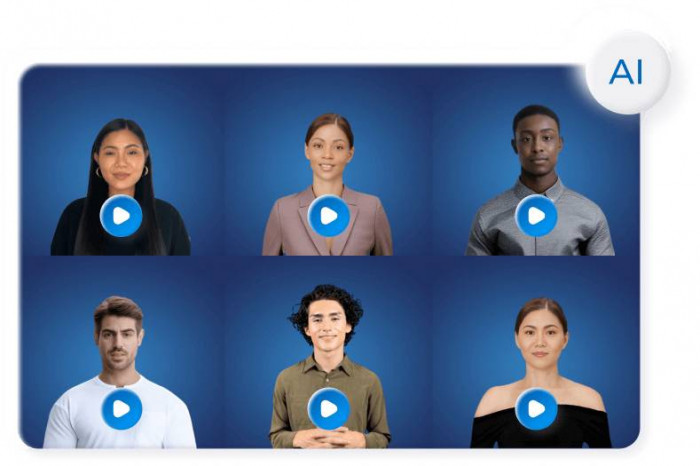
If 2023 was the year of text AI, 2026 is the year of AI-driven video and voice. With systems like Runway, Pika Labs, and Synthesia, video creation now takes minutes instead of days.
Voice AI too has reached uncanny realism: creators can clone their tone, localize in 20+ languages, and modify delivery pace all while maintaining the emotional contour of a human speaker. Audiovisual content, once a luxury for large budgets, has been completely democratized.
A small content team can now:
● Generate professional explainer videos overnight.
● Dub their channels globally without losing authenticity.
● Build 3D-animated assets directly from scripts or prompts.
The gap between independent creators and production houses has never been thinner.
VI. Automation of Design and Brand Identity
As storytelling scales, brand integrity faces a new challenge: consistency. That’s where AI design automation comes in. Platforms like Technylo, Canva Magic Studio, and Adobe Firefly are bringing brand voice into visual automation.
By training on a brand’s existing creative assets, AI tools can generate new visuals that retain tone, color harmony, and style automatically. In practical terms, this means:
● Faster asset production cycles.
● Consistent branding across hundreds of campaigns.
● Real-time visual A/B testing based on viewer retention.
It’s not just design, it’s data-informed art direction.
VII. Ethics, Ownership, and Authenticity
The creative acceleration brought by AI also carries weighty questions. As models generate text, visuals, or voices that mimic real human authors, creative ownership becomes complex. Who owns the content, creator, the company, or the algorithm trained on billions of unseen samples?
Transparency is emerging as the creative industry’s new currency. Ethical frameworks are emphasizing:
● Clear disclosure of AI collaboration.
● Digital watermarking for generated content.
● Responsible training data sourcing and attribution policies.
Moving forward, the creators who thrive will be those who embrace AI with accountability treating technology not as camouflage, but as collaboration.
VIII. Emotional Intelligence and Cultural Understanding
Machines can calculate tone and rhythm, but can they feel?
Not yet but they are learning to approximate emotional resonance through what’s called affective computing.
By analyzing voice tone, pattern, semantics, and even micro-emotional signals from data feedback, AI is learning how humans express emotion. While it may never “understand” emotion in the human sense, it can now tailor content that aligns with sentiment, melancholy, motivation, calm, or excitement.
When creators combine this capability with genuine empathy in storytelling, AI-assisted emotion amplifies the human message, instead of replacing it.
IX. Accessibility, Inclusion, and Creative Equity
AI content creation is also breaking socio-economic and accessibility barriers. Voice commands for the visually impaired, auto-captioning for hearing disabilities, and language-localized outputs are making content more equitable.
A YouTube publisher in India can now auto-dub English content into ten regional languages with the same tone. A small non-profit can generate multilingual awareness videos without design expertise. This is not only inclusivity, it's creative equity on a global scale.
X. The Human-AI Workflow of the Future
Tomorrow’s creative process will be fluid, decentralized, and feedback-driven. The typical workflow might look like this:
1. Conceptualization: Humans create the core idea and emotional intent.
2. AI-Assisted Research: Tools analyze audience data, trend velocity, and contextual opportunities.
3. Production: AI systems generate the drafts, visuals, or videos.
4. Human Refinement: The creator adjusts tone, nuance, and authenticity.
5. Predictive Optimization: AI tests reactions, learns from engagement, and proposes refinements.
In this system, the creator doesn’t lose control, they gain leverage.
XI. Leading AI Tools Defining 2026’s Creative Landscape
Here’s a quick look at eight standout tools shaping the near future of digital creativity:
● Technylo : A comprehensive AI workspace combining writing, visual design, SEO intelligence, and analytics in one ecosystem.
● Jasper AI : Specialized in multi-tone writing and dynamic brand voice adjustments.
● Runway ML : Real-time video editing and scene generation using advanced generative models.
● Synthesia : Popular for converting text into humanlike videos using digital avatars.
● Descript : Merges transcription, podcast editing, and voice replication tools for storytellers.
● Pika Labs : Builds cinematic sequences from text prompts with near-hollywood quality visuals.
● Canva Magic Studio : AI-enhanced design and layout system for brands and social media.
● Notion AI : Streamlines research, summaries, and content ideation for teams and creators alike.
Final Verdict: Where Creativity Meets Intelligence
The story of AI and content isn’t one of competition it’s one of collaboration. Machines bring scale, speed, and precision; humans bring meaning, empathy, and intuition. The intersection of those abilities is where the future of all content lies.
Tomorrow’s creative ecosystem won’t ask, “Can AI write a story?” Instead, it will ask, “How can AI help this story find its most powerful form?”
And that, perhaps, is the ultimate evolution from artificial intelligence to augmented imagination.