The modern creator economy has created an illusion that success on social media is mostly driven by creativity, personality, or expensive production. But when you look closely at creators who grow consistently over several years, a different pattern appears. The biggest difference is usually workflow quality.
Professional creators rarely depend on motivation alone. They build systems that help them research ideas, produce content efficiently, distribute it across platforms, study audience behavior, and improve performance over time. Amateur creators, on the other hand, often operate in a reactive cycle where every post feels like a fresh struggle. That workflow gap shapes visibility, consistency, audience trust, and ultimately revenue.
Amateur Creators Usually Work in Reaction Mode

Most amateur creators spend more time deciding what to create than actually improving their creative process. A large part of their workflow happens emotionally. They open social apps looking for inspiration, chase trending formats, quickly produce a post, and then hope the algorithm responds positively.
This approach creates short bursts of activity but very little long-term structure. The creator is constantly restarting the process from zero. Some weeks they post heavily, while other weeks they disappear because the workflow becomes mentally exhausting.
Professional creators approach social media differently. Their systems are designed to remove randomness. They usually know their weekly content themes, target audience segments, publishing cadence, and platform goals before production even begins.
| Workflow Area | Amateur Workflow | Professional Workflow |
| Idea generation | Random and trend-driven | Structured around audience demand |
| Content creation | One post at a time | Batch-based production |
| Posting schedule | Inconsistent | Planned and scheduled |
| Analytics usage | Focused on views and likes | Focused on retention and behavior |
| Long-term strategy | Often unclear | Audience and business aligned |
This difference may not look dramatic from the outside, but over time it compounds heavily.
Professionals Build Around Audience Problems
One of the clearest differences between amateur and professional creators is how they think about audience needs. Amateur creators often focus on what they personally want to post. Professional creators focus on what audiences repeatedly struggle with, search for, or discuss.
That subtle shift changes content quality immediately. Instead of publishing disconnected ideas, professional creators build topic ecosystems around recurring audience interests.
A professional finance creator, for example, may structure content around budgeting psychology, debt management mistakes, side income systems, beginner investing myths, and long-term wealth habits. A professional fitness creator may separate content into recovery, form correction, nutrition behavior, realistic transformations, and training efficiency.
This gives audiences a reason to return because the account develops a recognizable informational identity instead of feeling random.
Professional workflows are usually built around three core layers:
● The first layer focuses on discovery content that attracts new viewers through searchable or trend-adapted topics.
● The second layer builds trust through educational content, examples, breakdowns, and consistent expertise.
● The third layer supports conversion, retention, or monetization through newsletters, products, memberships, or community systems.
Amateur creators often blend these layers accidentally without understanding the purpose behind each content type.
The Content Calendar Is Not Just a Schedule
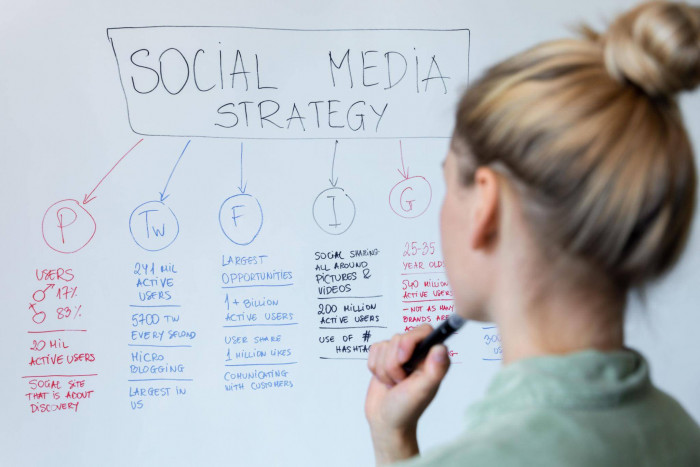
Many creators think content calendars are only about organization, but professional creators use them more strategically. A strong content calendar works like an editorial roadmap. It helps creators balance audience growth, authority building, engagement, and monetization instead of overposting the same kind of content repeatedly.
Without structure, creators usually default to what feels easiest to produce. Over time, that weakens audience trust because the content lacks direction.
| Content Type | Main Purpose |
| Educational content | Builds authority and long-term trust |
| Opinion-driven content | Creates positioning and identity |
| Community content | Encourages interaction and loyalty |
| Proof-based content | Demonstrates credibility through examples |
| Conversion content | Supports products, services, or subscriptions |
Professional creators intentionally rotate these categories. Amateur creators usually post whichever format feels easiest that day.
The Biggest Professional Advantage Is Workflow Efficiency
A common misconception is that professionals create better content because they have better cameras, editors, or expensive software subscriptions. In reality, workflow efficiency matters far more.
Professional creators spend significant time reducing production friction. Instead of creating every post from scratch, they develop repeatable systems that make content production smoother and faster over time.
For example, many professional creators batch similar activities together. They may spend one day researching ideas, another scripting content, another recording multiple videos, and another editing and scheduling everything. This reduces mental switching costs and improves consistency.
Amateur creators usually work in isolated production cycles where every post requires restarting the entire process. That is one reason burnout is so common among smaller creators trying to grow consistently.
Packaging Separates Average Content From High-Performing Content
Many amateur creators underestimate the importance of packaging. They invest heavily in recording and editing but spend very little time improving hooks, titles, captions, thumbnails, or opening frames.
Professional creators understand that social media is largely a competition for immediate attention. Audiences decide within seconds whether content deserves further time investment.
That is why professional creators often spend more time refining presentation than filming itself.
| Weak Packaging | Strong Packaging |
| Generic opening | Immediate problem or tension |
| Slow introductions | Fast audience relevance |
| Repetitive captions | Context-rich storytelling |
| Vague thumbnails | Clear informational promise |
| Unclear outcomes | Strong curiosity or value framing |
A professional creator understands that great ideas fail every day because they are packaged poorly.
Professionals Think Beyond a Single Platform
Amateur creators often treat each platform separately. A TikTok video stays on TikTok. An Instagram post remains isolated. A YouTube upload ends after publishing.
Professional creators think in terms of content ecosystems. One idea is repurposed, reformatted, expanded, shortened, and redistributed across multiple surfaces.
A long-form YouTube discussion may become:
● Several short-form clips for Instagram Reels or TikTok
● A LinkedIn thought-leadership post
● A carousel summarizing key insights
● A newsletter breakdown
● A Twitter/X thread
● A community discussion topic
This system dramatically increases output efficiency without requiring entirely new ideas every day.
More importantly, it allows creators to meet audiences where they already consume content instead of depending on one platform for all visibility.
Analytics Are Used as Operational Feedback

One of the largest mindset differences appears after publishing. Amateur creators often treat analytics emotionally. A post either “worked” or “failed.”
Professional creators study performance diagnostically. They want to understand where audience attention dropped, which topics created saves or shares, which hooks improved retention, and which formats produced meaningful engagement.
| Metric | What Professionals Learn From It |
| Retention rate | Whether the structure held attention |
| Saves | Whether the content had long-term usefulness |
| Shares | Whether people found it valuable enough to recommend |
| Comments | Whether the content created emotional investment |
| Click-through rate | Whether curiosity translated into action |
| Conversion metrics | Whether trust became measurable business value |
This analytical approach creates continuous improvement. Instead of randomly changing strategy every week, professional creators refine systems gradually based on audience behavior.
Community Building Is Part of the Workflow
Professional creators do not treat audience interaction as optional. Community management becomes part of the content pipeline itself.
Comments, DMs, audience polls, and feedback loops provide direct insight into what audiences are confused about, what language they naturally use, and what problems they care about most. Many professional creators build future content directly from these interactions.
This is one reason established creators often appear more connected to their audience. Their workflows include listening, not just publishing.
Amateur creators frequently focus entirely on uploading more content while ignoring the value hidden inside audience conversations.
Monetization Changes the Entire Structure
The workflow gap becomes even more visible when creators begin monetizing seriously. Professional creators rarely depend only on sponsorships or viral spikes. Instead, they build layered systems where content supports audience growth, trust, and long-term revenue simultaneously.
| Revenue Layer | Workflow Function |
| Newsletter | Builds audience ownership |
| Digital products | Creates scalable revenue |
| Membership communities | Improves retention |
| Affiliate systems | Converts trust into recommendations |
| Services or consulting | Supports high-value monetization |
This changes how content is designed. Some posts exist mainly for reach, while others are meant to educate, nurture trust, or guide audiences toward products and communities.
Professional creators understand that attention alone is unstable. Owned audience infrastructure creates durability.
The Workflow Gap Will Continue Growing
As AI tools, automation systems, and creator software become more accessible, technical barriers to content production are shrinking quickly. More people can now create decent-looking content with relatively little experience.
That means workflow quality becomes even more important.
The creators who stand out long term will not necessarily be the loudest or the fastest. They will be the ones with the clearest systems behind their content. Their workflows will help them publish consistently, adapt intelligently, study audience behavior carefully, and build stronger relationships beyond algorithmic reach.
Final Thoughts
The gap between amateur and professional creators is not simply about talent or follower count. It is about operational maturity.
Amateur creators often rely on momentum, trends, and short-term visibility. Professional creators build systems that make good content repeatable, measurable, and sustainable over time.
That workflow discipline affects everything: consistency, audience trust, monetization, retention, and creative longevity. In today’s social media landscape, creators are no longer competing only on creativity. They are competing on the quality of the systems behind the creativity.