Social media is great for attention, but it is a weak place to store your most valuable content. A post can perform well today and disappear tomorrow. A reel can get thousands of views but become hard to find within days. Platforms can change algorithms, reduce reach, suspend accounts, remove features, or shift audience behavior overnight.
That is why your content needs a permanent home beyond social media. Social platforms are useful, but they should not be the only place your ideas, authority, proof, and audience relationships exist.
A permanent content home gives your best work structure, searchability, ownership, and long-term value. It turns scattered posts into a body of work people can revisit, trust, and act on.
Social Media Is Built for Discovery, Not Permanence
Social media platforms are designed to keep people scrolling. Their feeds reward freshness, speed, reaction, and repeat engagement. That makes them powerful for distribution, but weak for long-term content value.
A thoughtful post may take hours to create, but once it enters the feed, its lifespan is usually short. Even if it performs well, it quickly gets pushed down by newer posts. The platform benefits from constant publishing, but the creator often loses the long-term value of the work.
This is the difference between rented attention and owned authority.
| Social Media Content | Permanent Content Home |
| Built for quick discovery | Built for long-term access |
| Controlled by platform algorithms | Controlled by the creator or brand |
| Hard to organize deeply | Easy to structure by topic |
| Short content lifespan | Longer content lifespan |
| Audience relationship is platform-dependent | Audience relationship can become direct |
Social media should be treated as the front door, not the whole house. It brings people in, but your deeper ideas need somewhere more stable to live.
A Permanent Content Home Builds Trust Faster

Trust grows when people can explore your thinking in depth. A single viral post may attract interest, but it rarely gives enough context for someone to fully understand your expertise.
When someone discovers you on social media, they often want to know more. They may check your profile, search your name, look for your website, read older work, review case studies, or see whether your ideas are consistent. If all they find is a scattered feed, trust becomes harder to build.
A permanent content home gives visitors a clearer path.
It helps them see:
● What topics you consistently cover
● How deeply you understand your niche
● What problems you solve
● What proof supports your expertise
● How they can work with you, follow you, or buy from you
This matters especially for creators who sell services, courses, coaching, consulting, newsletters, templates, communities, or digital products. People need more than visibility before they take action. They need confidence.
Your Best Content Should Not Be Buried in a Feed
One of the biggest mistakes creators make is letting their strongest ideas disappear inside social timelines.
A high-performing LinkedIn post, Instagram carousel, X thread, TikTok breakdown, or YouTube Short may create a temporary spike in attention. But if it is not stored, expanded, or organized elsewhere, it loses much of its future value.
Your best content should become part of a larger knowledge base.
For example, a strong social post can become:
| Social Post Type | Permanent Version |
| A viral thread | Blog article or newsletter issue |
| A short video tip | Resource page or tutorial |
| A client result post | Case study |
| A carousel | Downloadable guide |
| A strong opinion post | Thought leadership article |
| A FAQ response | Help article or knowledge hub |
This is how creators turn short-term attention into long-term assets. The original post gets reach. The permanent version creates search value, trust, and reference value.
Ownership Protects You From Platform Risk
Social platforms are useful, but they are not neutral storage systems. They can change rules, limit reach, remove features, restrict accounts, alter monetization terms, or make older content harder to access.
If your entire content strategy depends on one platform, your business is exposed.
A permanent home reduces that risk. It gives you a place where your best work remains accessible regardless of algorithm changes. This could be a website, blog, newsletter archive, resource hub, portfolio, community library, or owned content database.
The goal is not to leave social media. The goal is to avoid being fully dependent on it.
A healthier content strategy looks like this:
| Channel Type | Main Role |
| Social media | Discovery and engagement |
| Website or blog | Authority and search visibility |
| Newsletter | Direct relationship |
| Resource hub | Education and trust-building |
| Portfolio or case studies | Proof and conversion |
| Community | Retention and deeper connection |
This structure gives every channel a job. Social media attracts attention, while owned content turns attention into trust.
Search Makes Your Content Work Longer
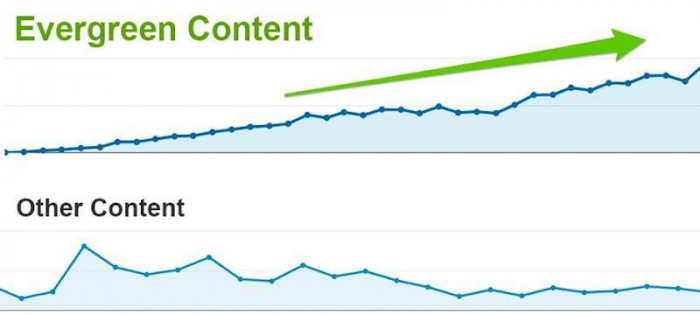
Social media content usually depends on timing. Search-based content depends on intent.
That is a major difference.
When someone searches for a topic on Google, YouTube, Pinterest, or even inside a website, they are actively looking for an answer. A permanent content home allows your work to meet people at that moment of need.
This is especially powerful for educational, practical, and decision-based content. A creator who posts “5 mistakes new freelancers make” on social media may get likes for a day. But if that idea becomes a detailed article, checklist, or guide, it can attract new readers for months or years.
Searchable content creates compounding value because it can keep working after publication. Social posts are often consumed once. Permanent content can be discovered repeatedly.
A Content Home Helps You Organize Your Ideas
A feed shows content in reverse chronological order. That is useful for updates, but poor for learning, trust, and navigation.
A permanent content home lets you organize ideas by topic, audience, problem, use case, or customer journey. This makes your work easier to understand and more useful for visitors.
For example, a creator who teaches personal branding could organize content into:
● Profile building
● Content strategy
● Audience growth
● Monetization
● Case studies
● Tools and templates
This structure helps visitors move from one idea to the next. It also makes the creator look more authoritative because the content feels connected, not random.
The goal is not just to publish more. The goal is to build a visible body of work.
Permanent Content Supports Better Conversion
Social media is often weak at conversion because users are distracted. They are watching videos, replying to comments, checking messages, and moving quickly between posts.
A permanent content home gives people more space to make decisions.
Someone reading a detailed guide on your website is in a different mindset than someone scrolling through a feed. They are more likely to compare, evaluate, save, subscribe, inquire, or buy.
This is why serious creators and small brands need destination pages for important actions.
| Goal | Better Permanent Home |
| Get newsletter subscribers | Landing page with clear value |
| Sell templates | Product page with examples and FAQs |
| Book clients | Service page with proof and process |
| Build authority | Blog or resource hub |
| Attract sponsors | Media kit or partnership page |
| Showcase work | Portfolio or case study library |
Social media can create the spark. A permanent content home turns that spark into a decision.
Your Audience Should Know Where to Find You
People follow creators across multiple platforms, but they often remember only one stable destination.
That is why a permanent home becomes part of your identity. It gives your audience a place to return when they want your best thinking, latest resources, or official updates.
This is important because social media audiences are fragmented. Someone may see you on Instagram but prefer reading newsletters. Another person may find you on LinkedIn but want a deeper guide. A potential client may not care about your daily posts but wants to see your portfolio.
A permanent home connects these audiences.
It creates one reliable place where people can find:
● Your best content
● Your latest offers
● Your proof of work
● Your contact details
● Your newsletter or community
● Your deeper resources
Without this, your online presence can feel scattered, even if your content is good.
What Should Your Permanent Content Home Include?
A permanent content home does not need to be complicated. It needs to be clear, organized, and useful.
For most creators, the foundation should include a few core sections.
| Section | Purpose |
| Homepage or profile page | Explains who you are and what you do |
| Blog or resources | Stores your best ideas and guides |
| About page | Builds context and credibility |
| Work or case studies | Shows proof and outcomes |
| Newsletter signup | Builds a direct audience |
| Product or service pages | Converts interest into action |
| Contact page | Makes next steps easy |
The most important thing is clarity. Visitors should quickly understand where they are, what you offer, and why your content matters.
Social Media Still Matters, But Its Role Should Change
This article is not an argument against social media. Social platforms are still valuable for reach, conversation, testing ideas, community engagement, and visibility.
The mistake is treating them as the final destination.
A stronger strategy uses social media as a distribution layer. You post short-form ideas, test reactions, start conversations, and attract new people. Then you guide interested visitors toward your permanent content home, where they can explore deeper material and build stronger trust.
In practical terms:
● Use social media to test ideas
● Turn strong posts into deeper content
● Link social profiles to your main content hub
● Use newsletters to build direct relationships
● Keep your best resources searchable and organized
This approach gives your content a longer life and your audience a clearer path.
The Biggest Mistake Is Waiting Too Long
Many creators wait until they feel “big enough” to build a permanent content home. That is a mistake.
A content home becomes more valuable the earlier you build it because it grows with you. Every article, guide, case study, resource, newsletter issue, and portfolio update adds to your authority.
You do not need a complex website from day one. You can start with a simple blog, a newsletter archive, a clean profile page, or a resource hub. What matters is that your best thinking has somewhere stable to live.
Small content libraries become powerful over time when they are organized well.
Final Thoughts
Social media can help people discover you, but it should not be the only place where your content lives.
Your best ideas deserve more than a short life in the feed. They need a permanent place where people can find them, trust them, return to them, and act on them.
A permanent content home protects your work from algorithm changes, makes your expertise easier to verify, improves searchability, supports conversion, and gives your audience a reliable place to connect with you. The creators and brands that build long-term authority are not just posting more. They are building places where their ideas can last.